(alias Villa Fontana Vecchia)
(alias Villa Fontana Vecchia)
(alias Villa Fontana Vecchia)
A little piece of magic
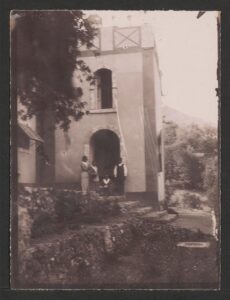
Villa Fontana Vecchia is made up of two houses, one built above the other. The Cacopardo family served the Grandmont family and, for several generations, took care of welcoming and looking after the guests who stayed at the villa. The house was divided into two “areas.” On the lower floor were the stables and an oven. It was a very humble and simple space, closely connected to the family’s everyday life and practical needs. The upper floor, on the other hand, was where the guests were accommodated. They were always warmly welcomed and cared for by the Cacopardo family, who carried out this role from one generation to the next. In this way, the Cacopardo family became an important part of the history of Villa Fontana Vecchia and of its long-standing connection with the Grandmont family.
Over the years, Villa Lawrence has welcomed artists, writers, intellectuals and travellers who found in Taormina a place capable of inspiring creativity and a profound appreciation for beauty. Perched between the deep blue of the Ionian Sea and the majestic presence of Mount Etna, Taormina has always held a special fascination for those who have come here in search of inspiration, freedom and a different way of seeing the world.
Among the Villa’s distinguished guests were Alphonse Grandmont and Bramine Hubrecht, together with Marie Hubrecht, Earl and Achsah Brewster, and, of course, David Herbert Lawrence, whose intense and evocative writing transformed Sicily into a world of literature, and Baroness Frieda von Richthofen, his companion and a remarkable personality in her own right.
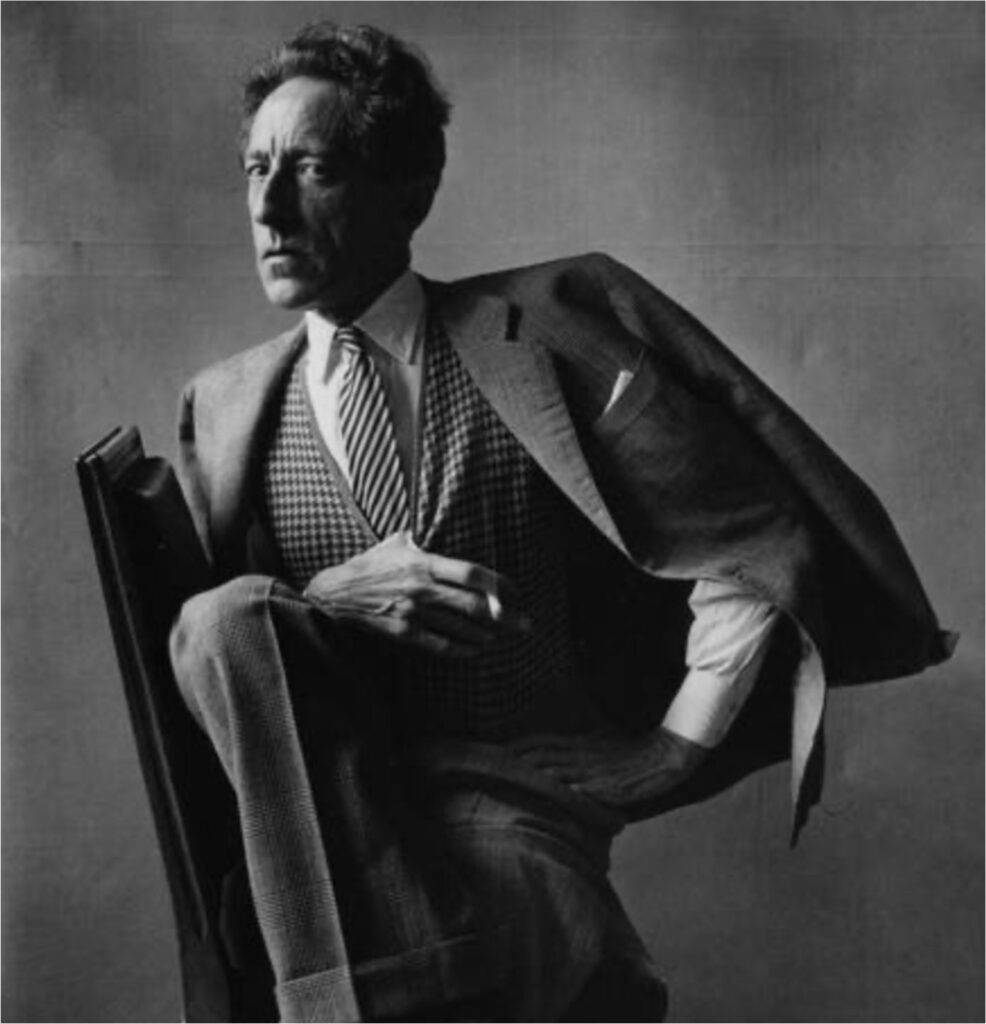
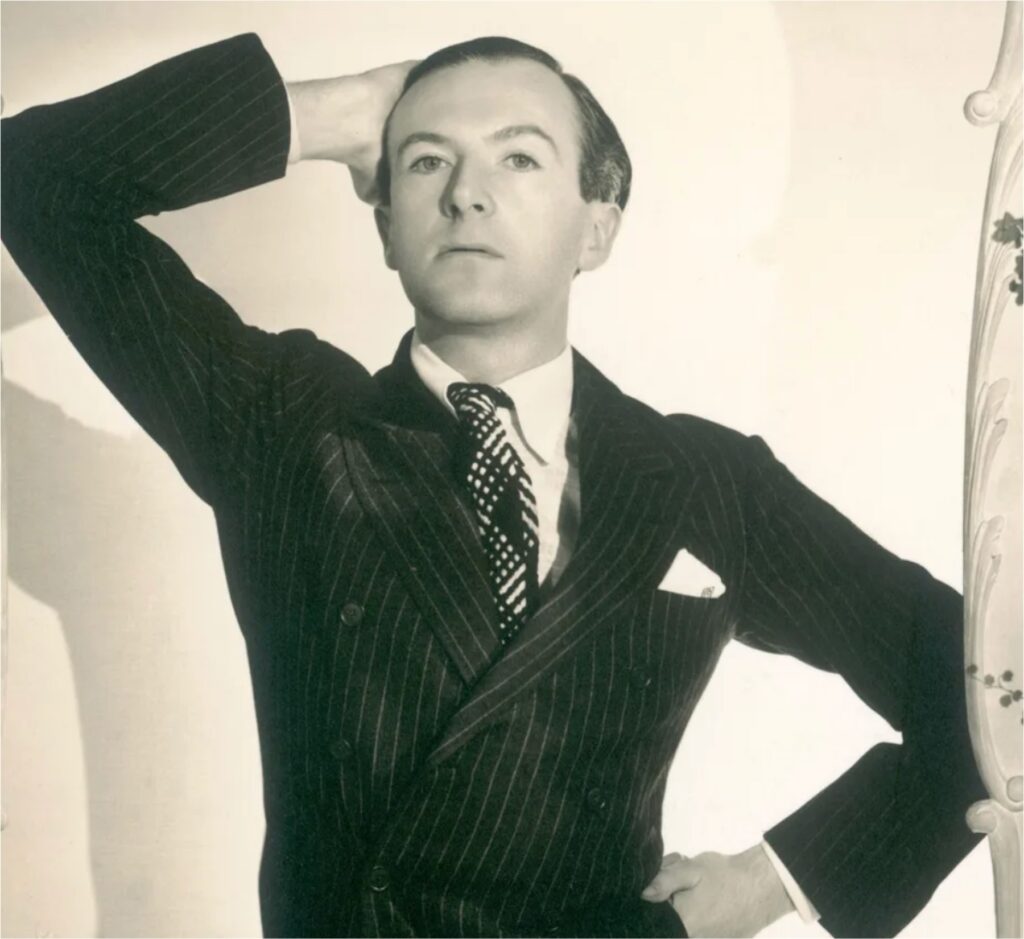
The Villa also welcomed Aubrey Menen, Truman Capote, Jack Dunphy, Donald Windham, Peggy Guggenheim, Jean Cocteau and Cecil Beaton.
And there were Pearl Kazin, Howard Agg, Robert Calverley Trevelyan and Elizabeth des Amorie van der Hoeven, each contributing, in their own way, to the fascinating and international history of Villa Lawrence.
Each left something behind: a conversation, a page, a memory, an idea. Perhaps this is the enduring magic of Villa Lawrence — to have been, and to remain, a place where different people, ideas and sensibilities meet, in the heart of a Taormina that has enchanted generations with its extraordinary beauty.
Alphonse’s stay in Taormina c. 1880-1909
Bramine’s stay in Taormina c. 1890-1913
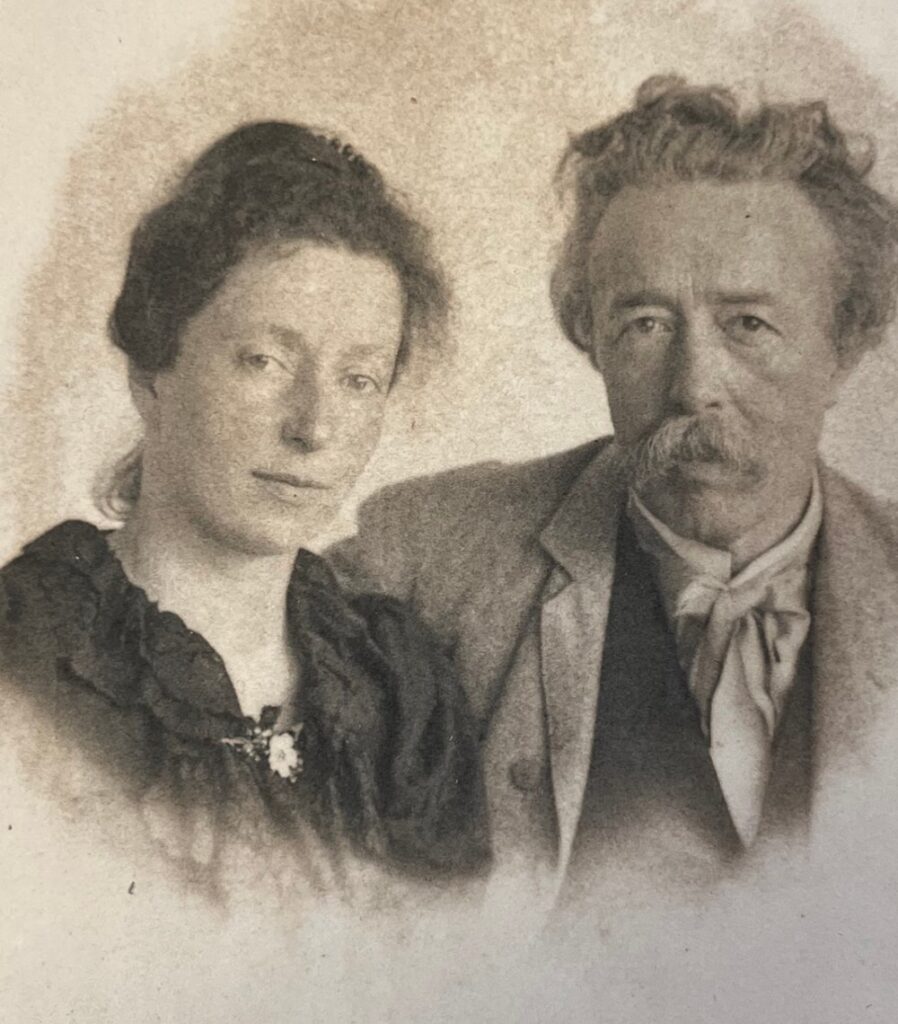
Alphonse Grandmont & Bramine Hubrecht
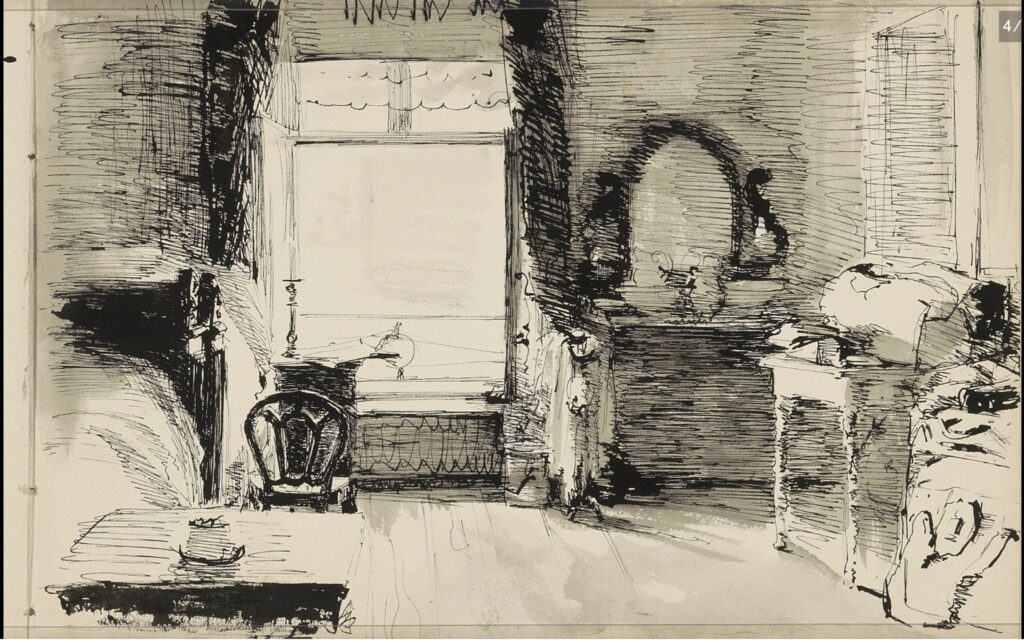
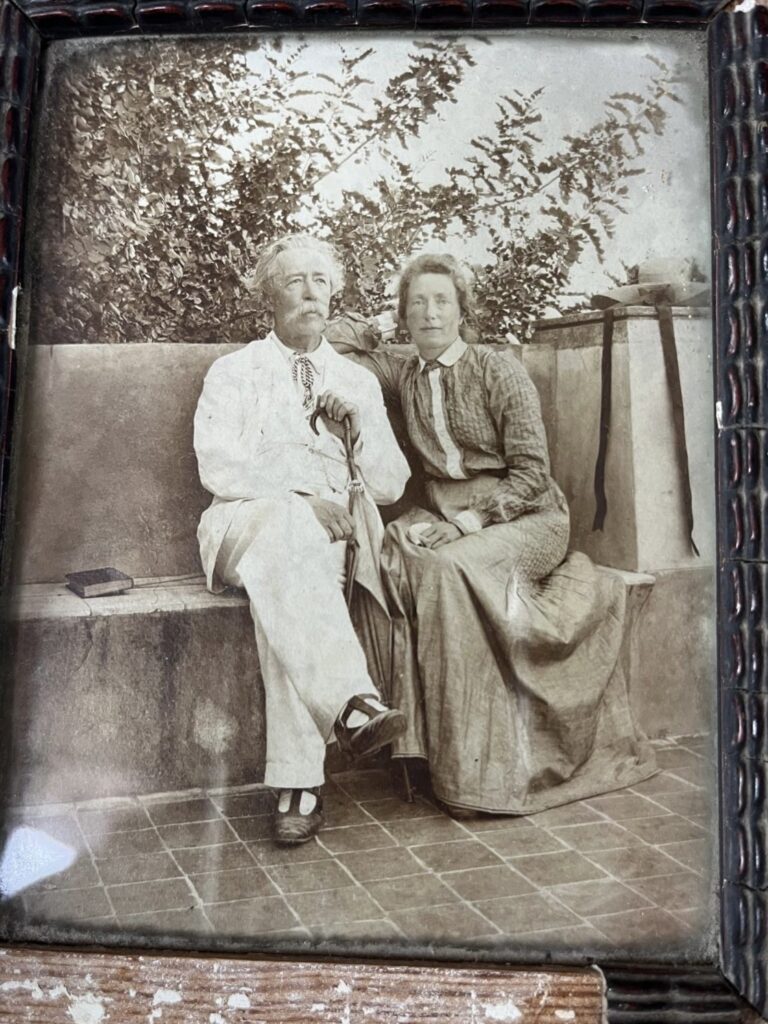
Alphonse, a Belgian lawyer, translator, and diplomat, was a man of remarkable intellectual and human stature. Alongside the degrees he earned in law, literature, and philosophy, he demonstrated a deep philanthropic spirit, dedicating a significant part of his life to the welfare of the community of Taormina. He became director of the Parish Committee (*Comitato Parrocchiale*) of Taormina, founded in 1891, and in 1902 promoted the establishment of Casa Grandmont, home for the elderly, a building that became part of the Municipality of Taormina’s public heritage in 1981. It is likely that Alphonse had settled in Taormina as early as the first years of the 1880s together with his wife, Agnese Clara Versteegh. Her death marked a turning point in his life, as he began a relationship with Bramine Hubrecht, who had also been widowed that same year following the death of her husband. Their union presents a remarkable genealogical curiosity: Bramine’s late husband was Donders, while Alphonse was the son of Donders’s elder sister. As a result, Bramine had been Alphonse’s aunt by marriage before becoming his wife. On 21 April 1892, the couple was officially married. At the end of the nineteenth century, the couple moved into Rocca Bella, where Alphonse had presumably already lived with his first wife. In the nearby building, known as Rocca Forte, Bramine set up her painting studio. After several changes of ownership, the studio was eventually donated to Francesco Cacopardo, known as “Ciccio”. During the same period, the Fontana Vecchia house was built, or more probably enlarged and renovated, in the Ziretto district, surrounded by the countryside north of Taormina. Bramine developed a deep attachment to the landscape of Taormina. She was captivated by its quiet headlands overlooking the sea, its dramatic cliffs, secluded coves, verdant hillsides, and the fiery sunsets that seem to dissolve the boundary between sky and earth. These landscapes became an inexhaustible source of inspiration and reappear in many of her paintings, including Mountain Landscape near Taormina, Sicily (1892–1913, Rijksmuseum), in which the Sicilian landscape is rendered with intense sensitivity and a refined attention to light. Her interest in the local population was no less deep. Bramine observed everyday life and the faces of Sicily with an empathetic eye, capturing their dignity and authenticity. In the painting Sicilian Girl (c. 1901, Royal Collections of the Netherlands), the precision of detail and the delicacy of the sitter’s expression reveal her ability to transform a simple portrait into a deeply human narrative. Today, much of Bramine’s artistic production is preserved at the Rijksmuseum in Amsterdam, where her works continue to bear witness to the profound bond she established with the light, landscapes and people of Sicily, and Taormina in particular.
Robert and Bessie’s stay in Taormina c. 1895-1905
(staying for short periods)
Robert Calverley Trevelyan & Elizabeth des Amorie van der Hoeven
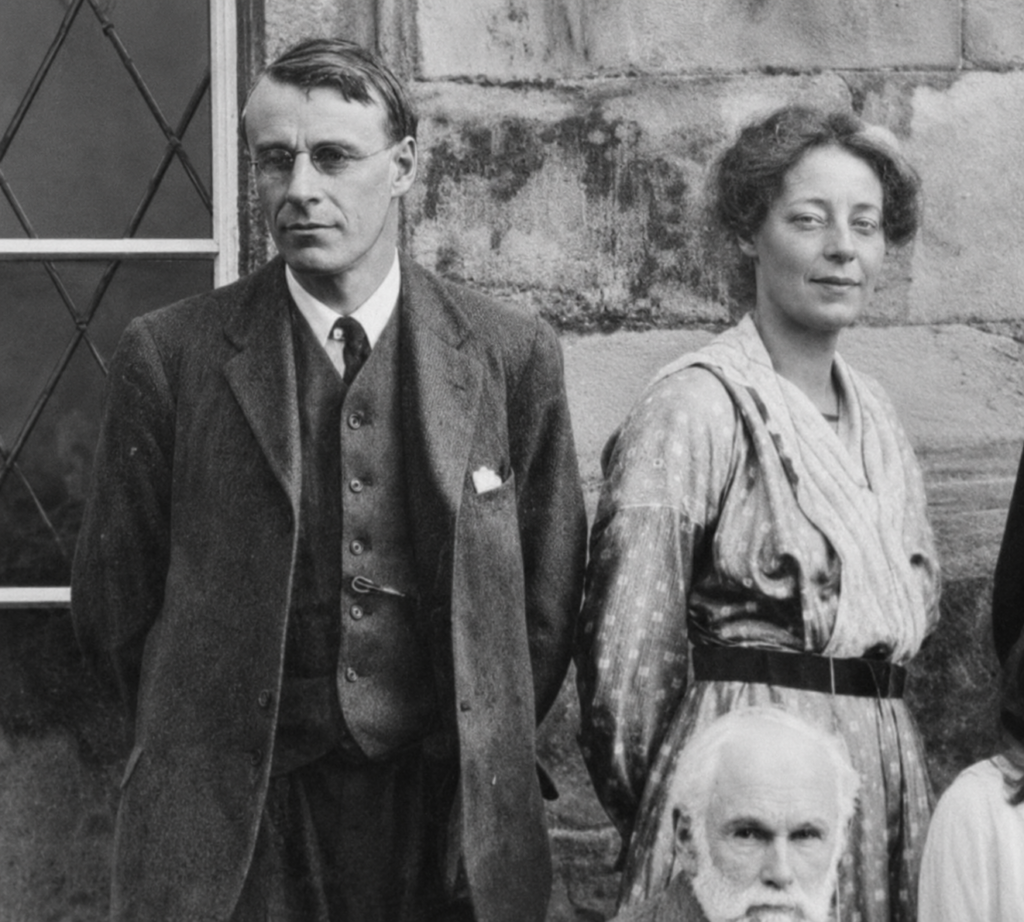
The story of Robert Calverley Trevelyan and Elizabeth des Amorie van der Hoeven began with the meeting of two different artistic sensibilities, united by a profound intellectual curiosity and a shared relationship with art. Robert C. Trevelyan, born in 1872 into an important British family, studied at Cambridge and, despite his father’s preference for a legal career, chose poetry. He was a poet, playwright and translator, also devoting himself to the great authors of classical antiquity, and his conduct was always guided by deep pacifist convictions. Elizabeth, a Dutch violinist, belonged instead to the world of music. Documents preserved at Cambridge record her interest in the violin. Robert and Bessie married on 8 July 1900. Taormina played a significant role in their story. Robert stayed there several times between the end of the nineteenth century and the beginning of the twentieth, where he worked and also visited his aunt Florence Travelyan, wife of Taormina’s mayor, Salvatore Cacciola. In a letter from February 1896 he described the Cacciolas’ garden as a true “Eden” and mentioned their library, rich in illustrated books. Elizabeth also came to know Taormina: in 1899 she stayed at Rocca Bella, and it is important to note that she and Robert also stayed for a period at Fontana Vecchia, a place where they left their mark: the word “Pace” (“Peace”) on the entrance threshold. Their story is therefore a meeting of word and music, classical culture and modern sensibility, lived through journeys, friendships and a constant curiosity about the arts. Robert sought in poetry and translation a dialogue with the past. Elizabeth found in music her own form of expression. Together they represent a period in which art was not merely a profession, but a way of looking at the world.
Marie’s stay in Taormina c. 1895-1930/1940
Marie Hubrecht
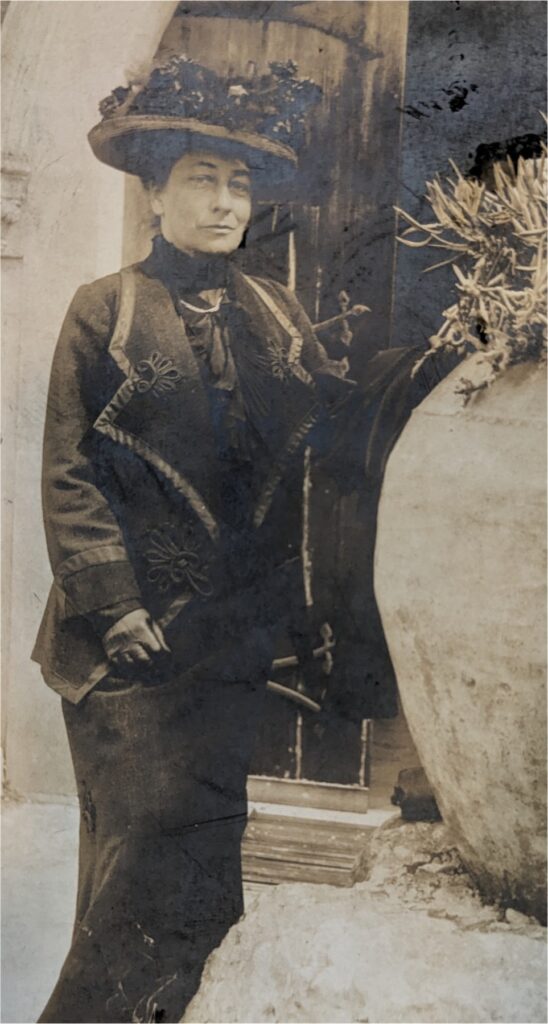
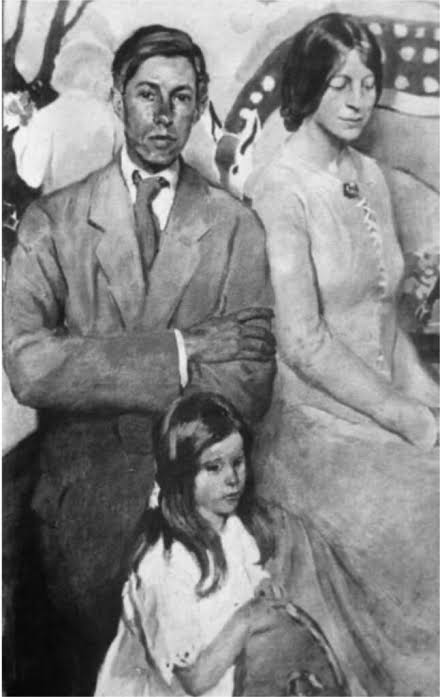
When speaking of the Hubrecht family, attention almost always focuses on Bramine, or on her brother Ambroise, but her younger sister Marie Hubrecht (1865–1950) also deserves to be rediscovered. Inaddition to sharing her passion for painting, Marie shared with Bramine an artistic sensibility, a rich cultural environment and, above all, a profound connection with Sicily, particularly Taormina. Raised in an important family in The Hague, Marie came to Taormina several times through Bramine, who was married to Alphonse Grandmont. After her marriage, Bramine spent long periods in Taormina, which between the end of the nineteenth century and the beginning of the twentieth was one of the most fascinating destinations of the Grand Tour. The Sicilian town attracted artists, writers,archaeologists and intellectuals from all over Europe, captivated by the light of the Mediterranean, the Greek theatre overlooking Mount Etna and an atmosphere suspended between history and myth. Marie, too, became part of this world, following her sister during her Sicilian stays and sharing with her the international community that had made Taormina a true cultural laboratory. The Hubrecht sisters thus became part of this artistic community, helping to strengthen cultural ties between the Netherlands and Sicily.
Earl’s stay in Taormina c. 1907-1908
Earl and Achsah’s stay in Taormina c. 1910-1911
Earl & Achsah Brewster
Earl Brewster (1878–1957) and Achsah Barlow Brewster (1878–1945) were an extraordinary couple of American artists, writers and travellers who devoted their lives to discovering the cultures of the world and seeking a deep artistic and spiritual expression. Both talented painters, they developed a creative language influenced by Western and Eastern artistic traditions, combining aesthetic sensitivity, direct observation and an interest in different civilizations. Their works reflect an authentic approach to travel: not simply geographical exploration, but an opportunity to encounter people, landscapes and traditions. Among the places that most profoundly shaped their artistic journey was Sicily, and Taormina in particular, where they stayed for long periods and found one of their principal sources of inspiration. They also succeeded in conveying in their paintings the fascination of the light, landscapes and vibrant atmosphere of the place. Their works express an open and cosmopolitan vision of the world, in which travel becomes a means of knowledge and dialogue between peoples. Discovering Earl and Achsah Brewster means rediscovering two artists who left behind an artistic legacy that deserves not to remain in the shadows.
Lawrence and Frieda’s stay in Taormina c. 1920-1922
David Herbert Lawrence & Baroness Frieda von Richthofen
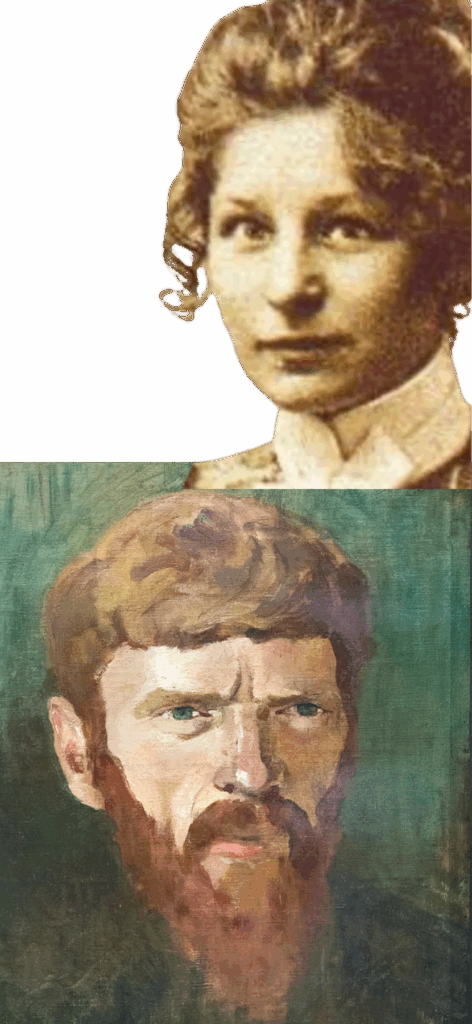
The English writer David Herbert Lawrence (1885–1930), one of the most influential voices in twentieth-century literature, and his wife Frieda von Richthofen (1879–1956), a German aristocrat and a woman of great charm and independence, found in Taormina one of the most significant places of their life together. United by a profound spirit of freedom and an unceasing desire for discovery, they made Sicily a fundamental stop on their long journey around the world. Between 1920 and 1922 they stayed at Villa Fontana Vecchia. Here Lawrence found the peace and inspiration he needed to devote himself to writing. During his stay at the villa, Lawrence worked intensely on his writing, decided to translate Giovanni Verga, and completed The Lost Girl, Aaron’s Rod, England, My England and Touch and Go. He also wrote The Captain’s Doll, The Fox, The Ladybird, Fantasia of the Unconscious, Psychoanalysis and the Unconscious, Mister Noon, Memoirs of the Foreign Legion, Birds, Beasts and Flowers, The Ass and Sea and Sardinia. He also wrote several poems, including The Snake, inspired by the reptile he encountered in the garden of Villa Fontana Vecchia. The atmosphere of Taormina, the light of the Mediterranean, the lush nature and the authentic character of Sicilian culture deeply influenced their stay and left a mark on Lawrence’s literary production. During this period the writer worked on important works and gathered impressions that would later flow into his writings about Italy, in which he described the landscape, traditions and relationship between man and nature with great sensitivity. Even today, the name of David Herbert Lawrence is inseparably linked to Taormina and Villa Fontana Vecchia, places that represent a fundamental stage in his human and artistic journey. Their stay continues to be remembered as one of the most significant moments in the city’s cultural history, bearing witness to Taormina’s role as a source of inspiration for some of the greatest figures in Western literature.
Aubrey’s stay in Taormina c. 1948/1949-1950
Aubrey Menen
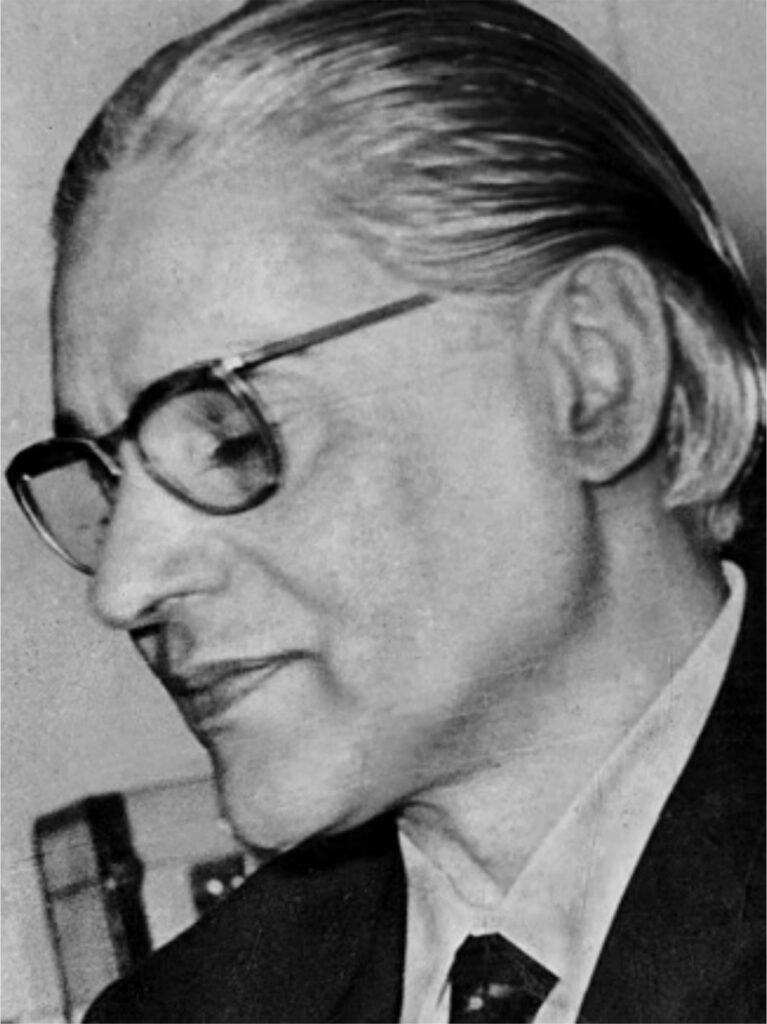
Aubrey Menen was one of those writers who are difficult to categorize: born in London in 1912 to an Indian family, cosmopolitan by nature and intolerant of every form of conformity, he moved through the twentieth century with an ironic, cultured and deeply unconventional outlook. A novelist, essayist, biographer and polemicist, Menen loved dismantling clichés, especially those constructed by the West about the East and vice versa. His brilliant and provocative writing combined British humour with the sensitivity of someone who constantly lived between different cultures, making him one of the most original voices of post-war English-language literature. His interest in Italy, and in Sicily as well, was not that of a traveller simply fascinated by the landscape. Menen saw it as a place that reflected his way of looking at the world, and his Mediterranean experience is reflected in several novels, including The Stumbling Stone, The Backward Bride and The Duke of Gallodoro, the last one is set in the Taormina area. Today Aubrey Menen remains less well known than he deserves to be, but his figure continues to exert a particular fascination precisely because of his modernity. In an age when dialogue between cultures is at the centre of international debate, his curious, prejudice-free outlook appears surprisingly contemporary.
Truman’s stay in Taormina c. 1950-1952
Truman Capote
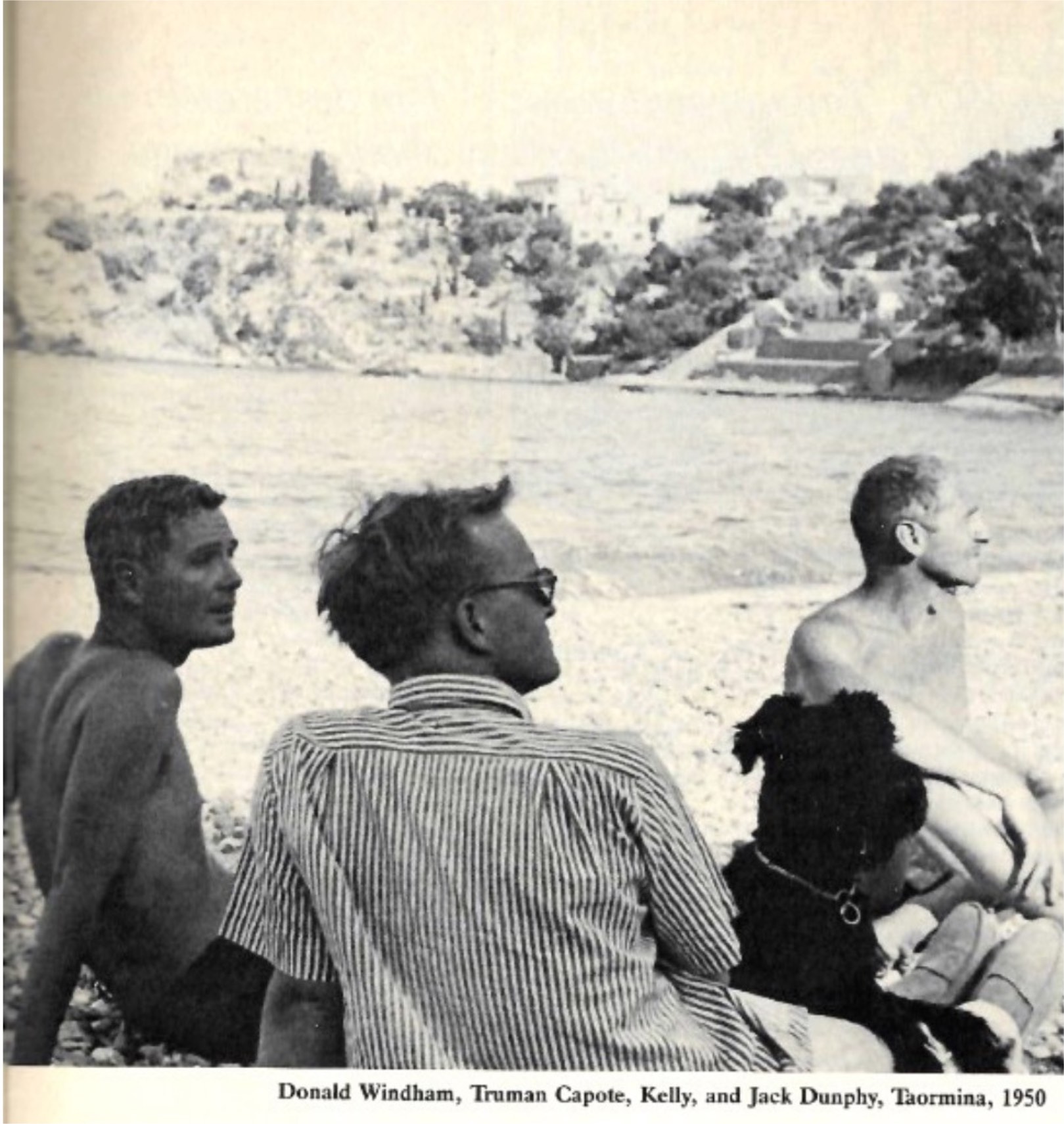
Truman Capote (1924–1984) was one of the most celebrated American writers of the twentieth century. An author of novels, short stories and reportage, he stood out for his refined style and extraordinary ability to explore the psychology of his characters. He achieved international fame with Breakfast at Tiffany’s and above all with In Cold Blood, a work that revolutionized narrative journalism by blending documentary rigor with novelistic technique. In the early 1950s, Capote stayed in Taormina with Jack Dunphy, living at Villa Fontana Vecchia, which the two rented for just 50 dollars a month. The writer remembered that period as one of the happiest of his life. During his Sicilian stay he wrote the novel The Grass Harp and several stories, including Another Day in Paradise, Fontana Vecchia, Kelly and The Dogs Bark. The villa also became a lively meeting place for artists and writers: regular guests included friends Donald Windham, Pearl Kazin, Jean Cocteau, Peggy Guggenheim and Cecil Beaton, who helped make Taormina of those years a true crossroads of international culture.
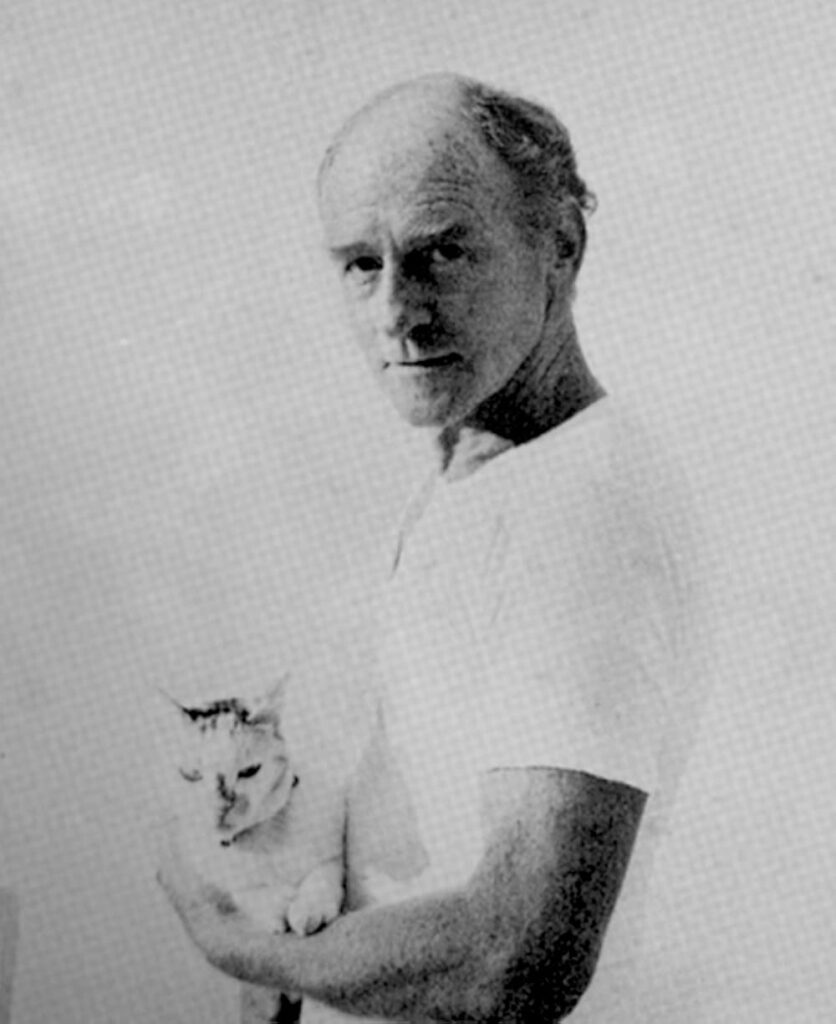
Jack’s stay in Taormina c. 1950-1952
Jack Dunphy
Jack Dunphy (1914–1992) was an American writer and playwright, author of novels characterized by an essential style and deep psychological sensitivity. Although his fame is often associated with his long relationship with Truman Capote, which lasted more than thirty years, Dunphy was a talented writer in his own right, appreciated for works such as John Fury and An Honest Woman. In the novel Friends and Vague Lovers, Dunphy tells a story of encounters, relationships and journeys, in which travel also becomes an opportunity for discovery and personal transformation. The Mediterranean emerges in the background, understood not only as a geographical space but as a place of passage, encounters and cultural exchange, an element also found in the book A Memoir of My Life with Truman Capote, which includes Taormina, and specifically Villa Fontana Vecchia, among its settings, as well as the villa’s owner, “Ciccio” Cacopardo, among its protagonists. Dunphy’s connection with Taormina was indeed deep and significant. Together with Capote, he lived for a long period at Villa Fontana Vecchia, which became a creative refuge and a meeting place for international writers and artists. Here Dunphy found an ideal environment in which to devote himself to writing, surrounded by the peace and beauty of the Sicilian landscape.
Donald's stay in Taormina c. 1949-1950
Donald Windham
Donald Windham (1920–2010) was an American writer, essayist and memoirist, known for his novels and his keen observations of the literary world of the twentieth century. A close friend of Truman Capote and Tennessee Williams, he was a prominent figure in American cultural circles, distinguished by elegant writing and an attentive interest in human relationships. Windham was already in Taormina when Truman Capote and Jack Dunphy arrived, and it was he who introduced them to Villa Fontana Vecchia. A regular guest at the villa, he shared with them a lively creative environment animated by international writers, artists and intellectuals.
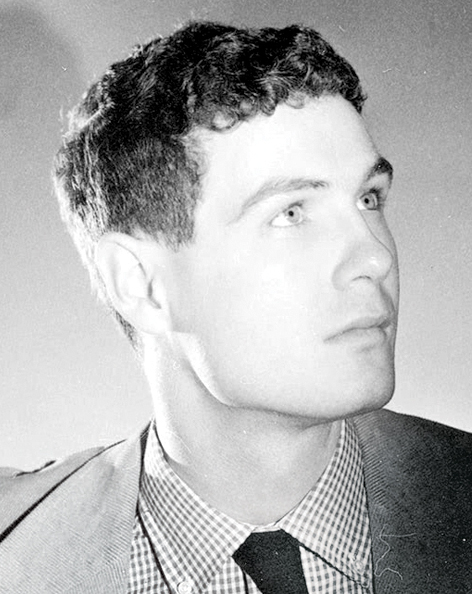
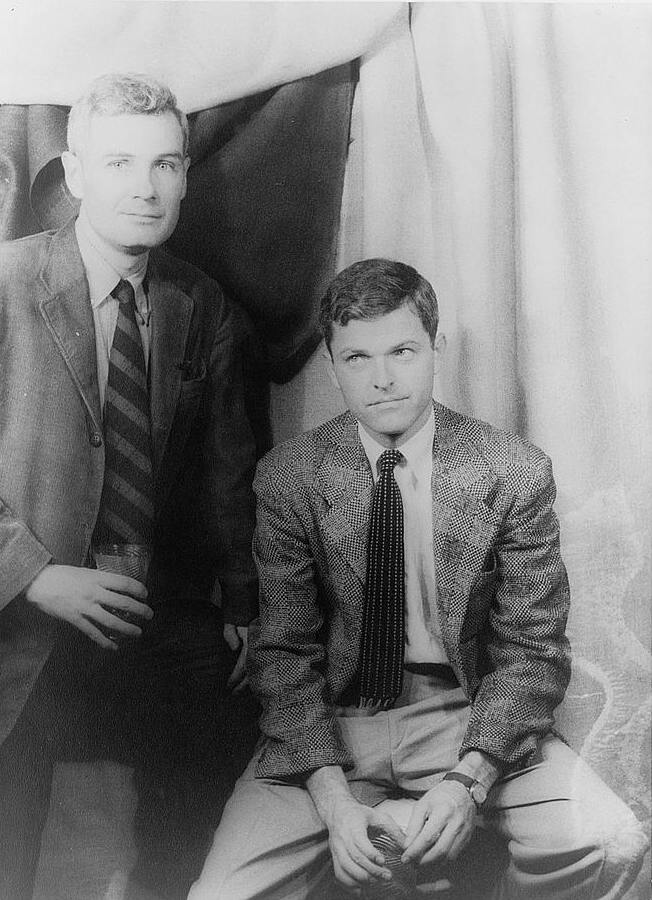
Friends who visited Capote & Dunphy in 1950
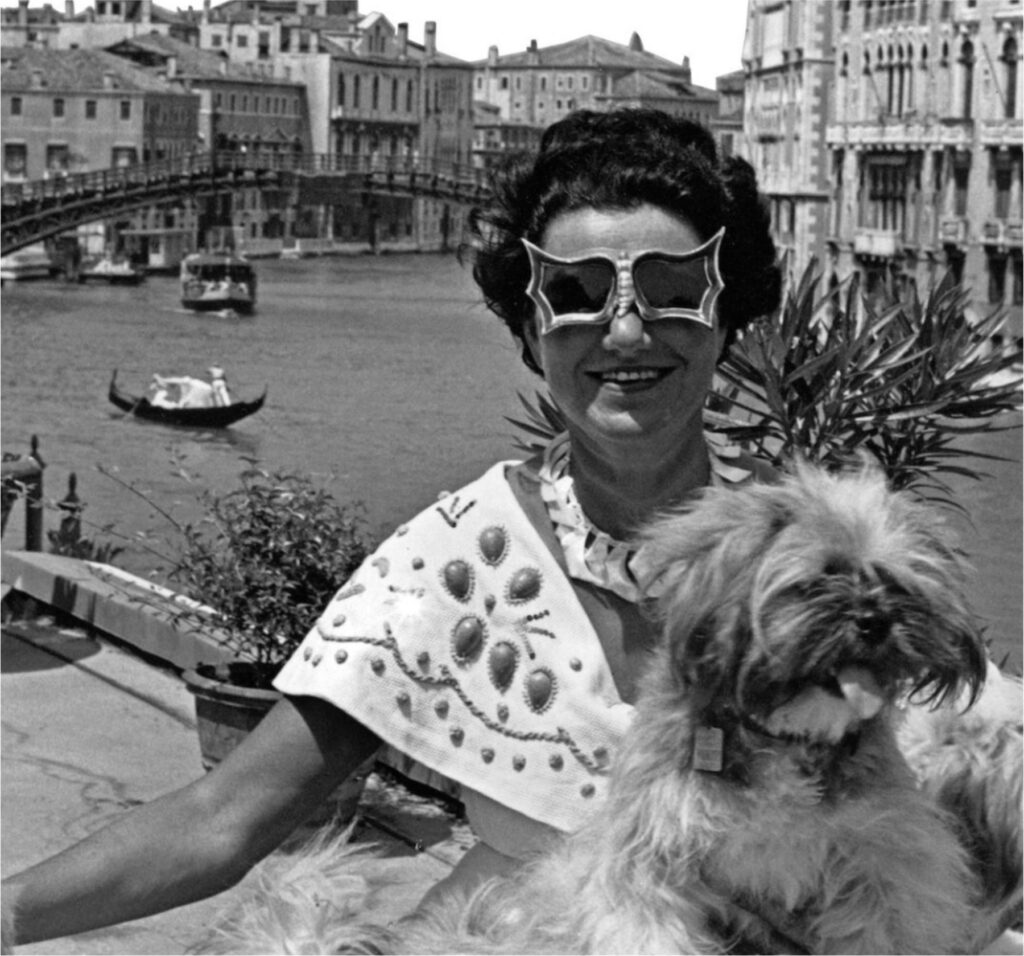
Pearl's stay in Taormina c. 1950-1951
Pearl Kazin
Guest of T.Capote for 3 months.
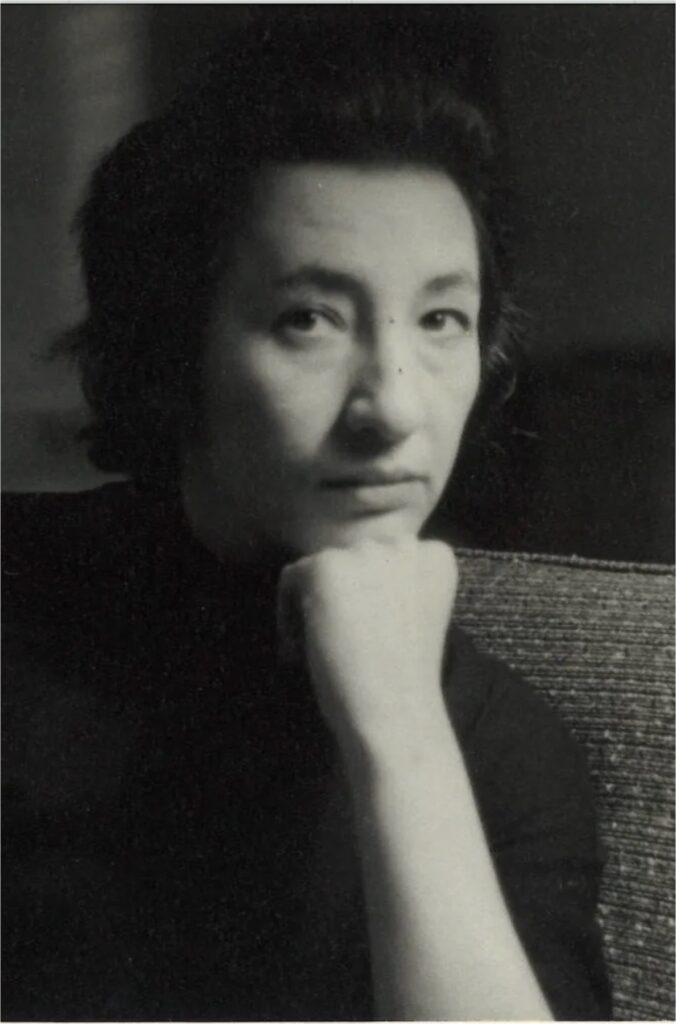
Pearl S. Kazin (1912–1987) was an American writer, literary critic and editor, known especially for her contribution to New York’s literary culture in the twentieth century. Sister of the celebrated critic Alfred Kazin, she was an independent intellectual, endowed with great curiosity and artistic sensitivity. An author of short stories and autobiographical writings, Pearl Kazin collaborated with important American cultural magazines and moved among the most vibrant literary circles of her time. Her writing is distinguished by its attention to memory, human relationships and the complexity of everyday life, with a refined and deeply introspective outlook. Her relationship with the poet Dylan Thomas also marked an important chapter in Pearl’s life, and when it came to an end, Truman Capote invited her to Taormina to help her put her suffering behind her. It was there that she had the opportunity to stay at Villa Fontana Vecchia.
Howard’s stay in Taormina c. 1952-68
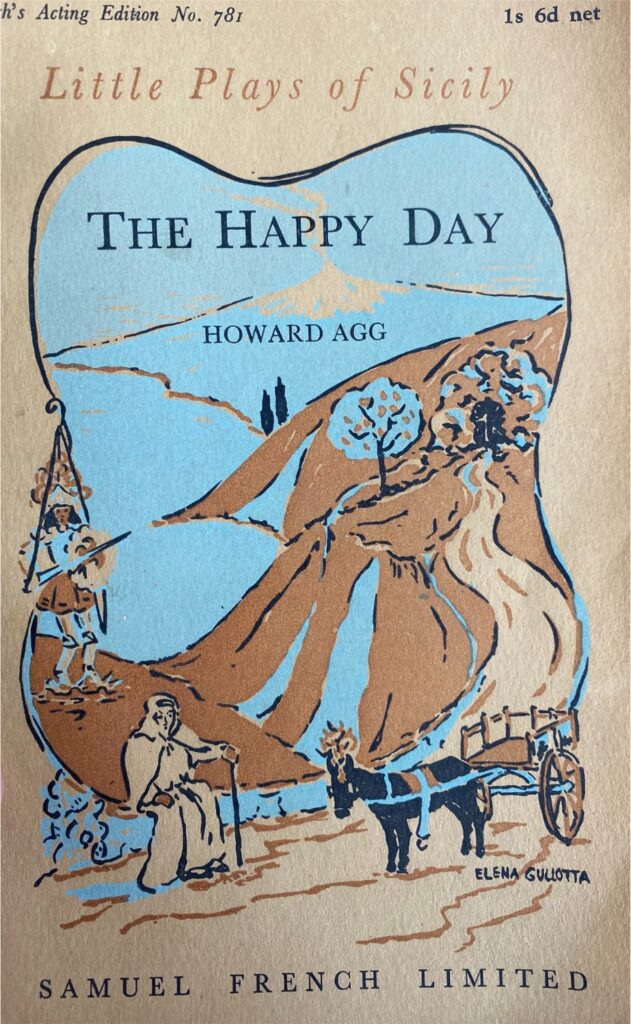
Howard Agg
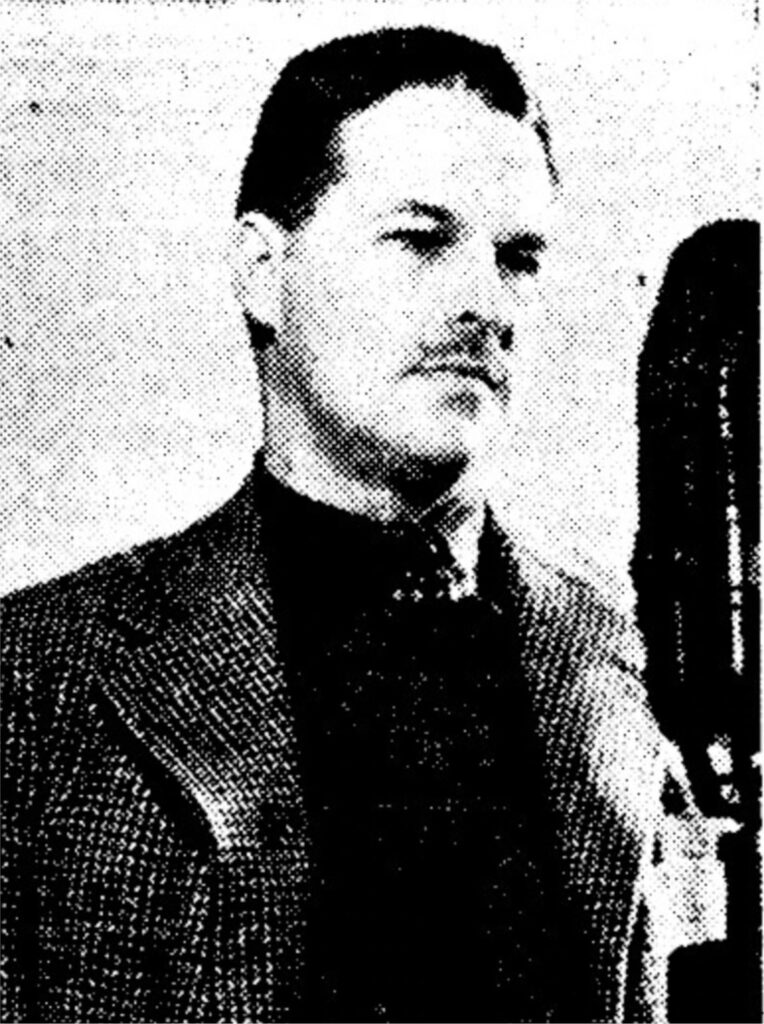
Howard Agg (c. 1920–2009) was a British playwright, theatre critic and radio writer, best known for his work at the BBC as a screenwriter and adaptor. His figure is connected to the long tradition of foreign writers who found in Taormina a place of inspiration and creativity. Agg arrived in Taormina in the 1950s, fascinated by the descriptions of Sicily contained in D.H. Lawrence’s letters and writings. He chose to stay at Villa Fontana Vecchia, the historic residence that had already hosted Lawrence and, shortly before, Truman Capote and Jack Dunphy. He remained connected to the villa for many years, turning it into a place of reflection and literary production. During his Sicilian stay he wrote A Cypress in Sicily (1967), a book in which he recounted his experiences in Taormina, the fascination of the Mediterranean landscape and his friendship with the villa’s owner, “Ciccio” Cacopardo. Agg even recounted perceiving the spirit of D.H. Lawrence in the house, helping to fuel the aura of mystery and fascination surrounding Fontana Vecchia. His connection with Taormina represents a lesser-known but significant page in the city’s cultural history: through figures such as Howard Agg, Villa Fontana Vecchia became not merely a residence, but a true creative refuge where different generations of writers found inspiration, friendship and artistic freedom.